The limits at a glance
Visible light transmission (VLT) is the percentage of visible light that passes through the window. A lower number means darker glass. Florida’s film limits apply to the finished glass-and-film combination, not just the percentage printed on a film box.
| Window / vehicle | Minimum VLT | Maximum reflectivity |
|---|---|---|
| Front side windowsBoth categories | 28% | 25% |
| Rear side windows & rear glassPassenger cars | 15% | 35% |
| Rear side windows & rear glassMultipurpose passenger vehicles | 6% | 35% |
These are the general film limits in §§ 316.2953–316.2954. The rear-window 6% rule is for vehicles legally classified as multipurpose passenger vehicles; don’t assume a vehicle qualifies just because it is marketed as an SUV.
Windshield tint is different
The general rule permits a transparent sunscreening strip at the top of the windshield only, outside the driver’s direct forward viewing area defined by the federal AS/1 standard. Full-windshield tint is not authorized by this general rule—even if the film is very light. See § 316.2952.
Factory glass changes the result
Existing glass already blocks some light. Adding a film labeled “28%” does not guarantee the finished window measures 28%. Have the installed window measured with an appropriate meter and confirm the vehicle category before choosing a shade.
Common questions
Is 20% tint legal in Florida?
A finished front side window measuring 20% VLT is below the general 28% minimum. Behind the driver, a finished window measuring 20% meets the general VLT minimum for both listed vehicle categories, but reflectivity and other requirements still apply. Film labels alone are not a compliance test.
Is 5% tint legal?
5% is below all the stated VLT minimums in the table, including the 6% multipurpose rear-window minimum. The statute provides measurement tolerance, but that is not a separate recommended installation target or a guarantee that a film labeled 5% is compliant.
Does ceramic film follow different rules?
Ceramic and carbon films must meet the same applicable light-transmission and reflectivity requirements. Film technology does not make a darker shade exempt. Compare the manufacturer’s actual performance specifications rather than assuming darker always means better heat protection.
What about labels, mirrors and tolerance?
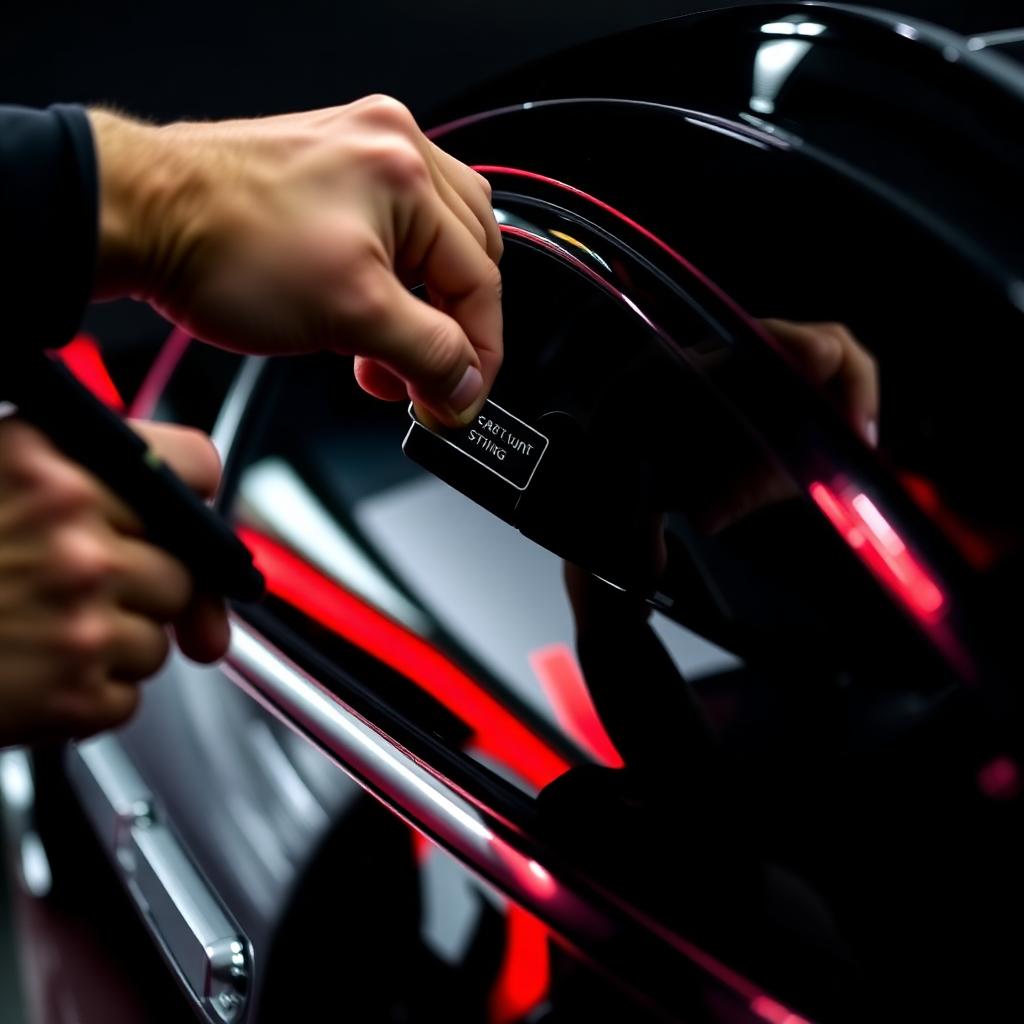
Under § 316.2955, installers must affix the required compliance label inside the left door jamb, identifying the film trade name and installer or seller. Percentage measurements have a ±3 percentage-point tolerance. Under § 316.2954, a rear window made nontransparent requires compliant side mirrors on both sides. Factory glazing has a labeling exception.
What happens if tint doesn’t comply?
Operating a vehicle with material installed in violation of the applicable provisions is a noncriminal traffic infraction, punishable as a nonmoving violation. Selling or installing noncompliant material can carry separate penalties under § 316.2956. Confirm any special exemption with Florida’s licensing authority before relying on it.
Official Florida sources
- § 316.2952 — Windshield restrictions
- § 316.2953 — Front side windows
- § 316.2954 — Windows behind the driver
- § 316.2955 — Compliance labels and measurement tolerance
- § 316.2956 — Violations and penalties
This guide summarizes standard vehicle film rules, not every exception or every type of window covering. Laws and agency procedures can change. Consult the current statutes and Florida Highway Safety and Motor Vehicles for vehicle-specific or exemption questions. Automotive limits here are not a guide to building-window film.